What Is So Special About American Wartime Coins? Collector’s Overview
American wartime coinage from the 1940s reflects a moment when everyday currency adapted to national demands. As World War II intensified, the United States redirected metal resources toward weapons, vehicles, machinery, and communication equipment.
This reshaping of priorities left a clear imprint on circulating coins. If you’ll check coins from this time via the coin scanner app, you’ll clearly see how rare and valued these issues are. There are a couple of reasons why it is so. Keep reading to deepen your numismatic knowledge and maybe pick a new collecting goal!
How War Influenced Mint Decisions
During these years, the U.S. Mint balanced efficiency with necessity. Traditional metals—copper and nickel—were suddenly strategic materials. Ammunition, armor, and aircraft components required vast quantities of each. The result was a series of emergency coinage changes that produced distinctive compositions still recognized instantly by collectors.
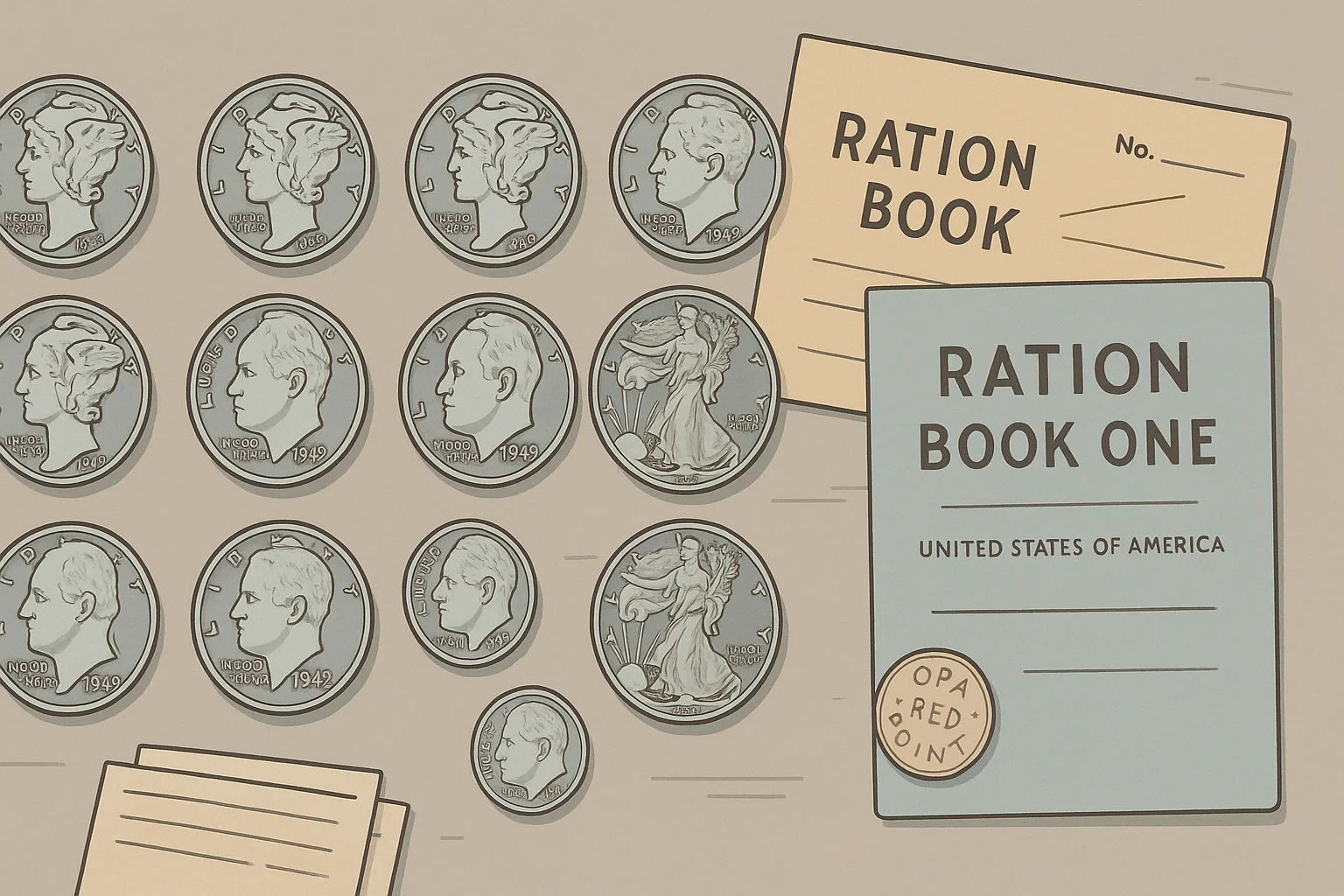
These shifts created three standout coin groups: the 1943 steel cent, the 1942–45 silver war nickel, and the 90% silver dimes, quarters, and half dollars that continued through the decade. Each represents a different aspect of wartime adaptation.
Materials once used for everyday commerce became essential for the war industry. This forced the Mint to rethink long-standing formulas.
Key pressures included:
- Copper demand for military shells and wiring
- Nickel shortages due to armor plating requirements
- Rising production needs for both domestic circulation and overseas troop payments
These conditions led to solutions that blended practicality with speed. The result was a series of coins that looked and felt different from anything Americans had used before.
Overview of Wartime Coin Changes
Three major adaptations define the period:
1. 1943 Steel Cents
The Mint temporarily replaced copper with zinc-coated steel. Their bright appearance, magnetic properties, and tendency to spot or rust make them instantly recognizable.
2. 1942–1945 Silver War Nickels
Nickel was removed entirely. A new alloy containing 35% silver, copper, and manganese allowed the Mint to conserve nickel for armor production.
3. Silver Dimes, Quarters, and Halves
These retained their 90% silver composition, but wartime mintages and market shifts shaped their long-term desirability.
Wartime Metal Shifts and the Coins That Defined the 1940s
The wartime years forced the U.S. Mint to make significant material and design adjustments. These changes were not temporary curiosities—they reshaped circulating coinage and created pieces that remain essential in modern numismatics. Each major wartime coin, when checked via the best coin identifier app, will tell you a story of resource allocation, industrial pressure, and national resilience.
The 1943 Steel Cent: Copper Saved for the Front Lines
The most recognizable wartime issue is the 1943 steel cent. With copper urgently needed for ammunition, communication wiring, and electrical components, the Mint replaced the familiar bronze alloy with zinc-coated steel.
Key features:
- Bright silver-gray color
- Light weight and magnetic properties
- Prone to surface spots from zinc oxidation
- Produced at all three mints: Philadelphia, Denver, and San Francisco
More than one billion pieces were struck, making them common in circulated grades. Yet high-end examples and certain errors attract strong attention. A 1943-D steel cent graded MS-68 has sold for values exceeding $10,000, driven by condition rarity.
1942–1945 Silver War Nickels: Large Mint Marks and a New Alloy
War nickels emerged when nickel became vital to armor plating. The Mint introduced a new alloy consisting of 35% silver, copper, and manganese. These coins are easily identified by their larger mint marks—P, D, or S—placed above the Monticello dome.
Important characteristics:
- Distinct alloy with slow tarnishing patterns
- First widespread use of the “P” mint mark
- Collectible Full Steps (FS) designations for sharply struck reverse steps
- Notable examples in MS-68 FS can exceed $20,000
War nickels offer accessible entry points for beginners while giving advanced collectors rare high-grade targets.
Silver Dimes, Quarters, and Halves: Classic Designs in a Challenging Era
Although silver content remained at 90%, wartime economic strain influenced survival rates of high-grade pieces. Popular series from the period include:
- Mercury Dimes
- Washington Quarters
- Walking Liberty Half Dollars
Premium examples—such as a 1940 Mercury dime in MS-68+ or a Walking Liberty half in MS-68+—have achieved record prices in the tens of thousands.
Collector Appeal, Valuation Factors, and Modern Tools for Wartime Coins
Wartime coins attract collectors because they combine history, scarcity, and distinct physical traits. Their production stories reflect the priorities of an era shaped by rationing, industrial pressure, and rapid technological change. These details increase the coin value both emotionally and in terms of strong market presence.
Several qualities make 1940s wartime coins stand out:
1. Clear Historical Context
Each coin ties directly to national resource decisions. Steel cents show copper shortages; war nickels illustrate armor demands; silver denominations represent stability during uncertainty.
2. Unique Metal Compositions
The abrupt switch to steel and silver alloys created coins that look and age differently from their pre-war counterparts. Their distinct tones and textures make them easy to spot in a collection.
3. Survival Rates and High-Grade Scarcity
Many coins circulated heavily during the war and immediate postwar years, leaving few examples in top condition. High-end grades bring significant premiums because so few have survived untarnished.
Valuation Drivers and Examples
Pricing depends on grade, mint mark, eye appeal, and rarity. A few benchmarks illustrate the range:
| Coin | Special Feature | Value Example |
| 1943 Steel Cent | Zinc-coated steel | MS-68: $10,000+ |
| 1942–45 War Nickel | 35% silver, large mint mark | MS-68 FS: $21,000+ |
| 1940 Mercury Dime | Low mintage, sharp strikes | MS-68+: $35,000 |
| 1940 Walking Liberty Half | High-grade scarcity | MS-68+: $45,000 |
These figures show how metal conditions, strike quality, and survival rarity intersect to shape value.
Identification and Authentication Tips
Collectors benefit from systematic checks:
- Inspect mint marks and compositions.
- Look for magnetic reactions on steel cents.
- Study reverse steps for war nickels.
- Compare luster patterns on silver pieces.
- Use third-party grading for high-value coins.
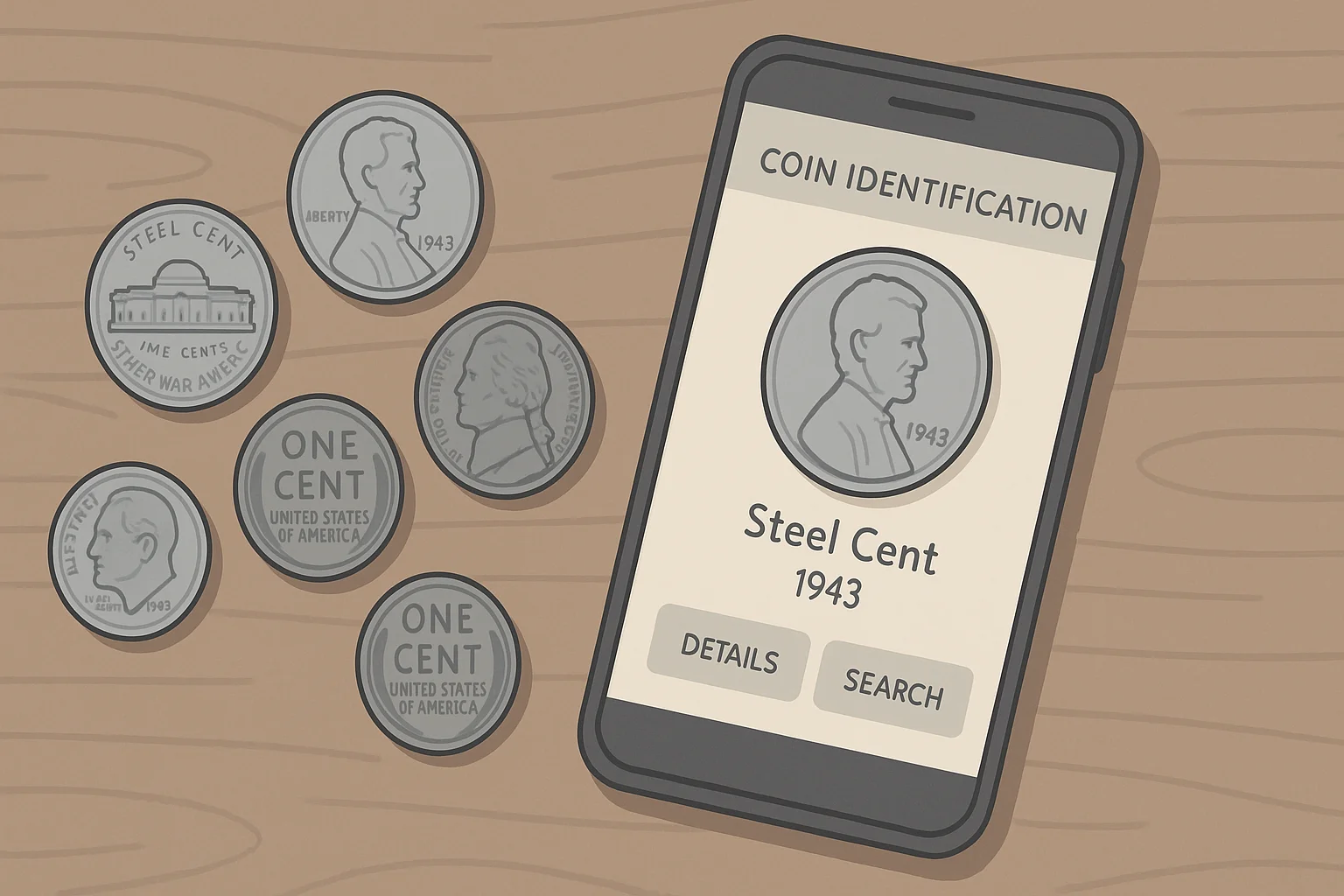
Modern digital tools streamline this process. The Coin ID Scanner app identifies coins through photos and displays mint years, composition, dimensions, and price ranges. Its database of more than 187,000 entries, smart filters, and AI Coin Helper support accurate research and digital organization of wartime sets.
American wartime coins highlight a period of rapid adaptation and resource conservation. Such a low survival rate and the great value of this period makes them truly worth all the effort. Use proper tools and maintain a clear focus while searching, and your collection’s expansion will bring you great joy.