
Modern Errors in Coinage: Valuable vs Overhyped
Modern coin errors generate strong reactions for one simple reason: they appear suddenly, spread fast, and promise outsized returns. A coin pulled from circulation today can look similar to the 2023 quarter error that sold for hundreds at auction yesterday. The gap between those two outcomes is where most mistakes happen.
High-speed minting after 1965 changed error collecting completely. Presses strike thousands of coins per minute. Dies wear faster. Grease, vibration, and alignment issues appear more often. This environment creates real, collectible errors, but it also creates visual noise that sellers eagerly market as rare.
Understanding modern errors starts with rejecting a common myth: not every unusual coin is an error, and not every error is valuable.
Why Modern Errors Exist at All
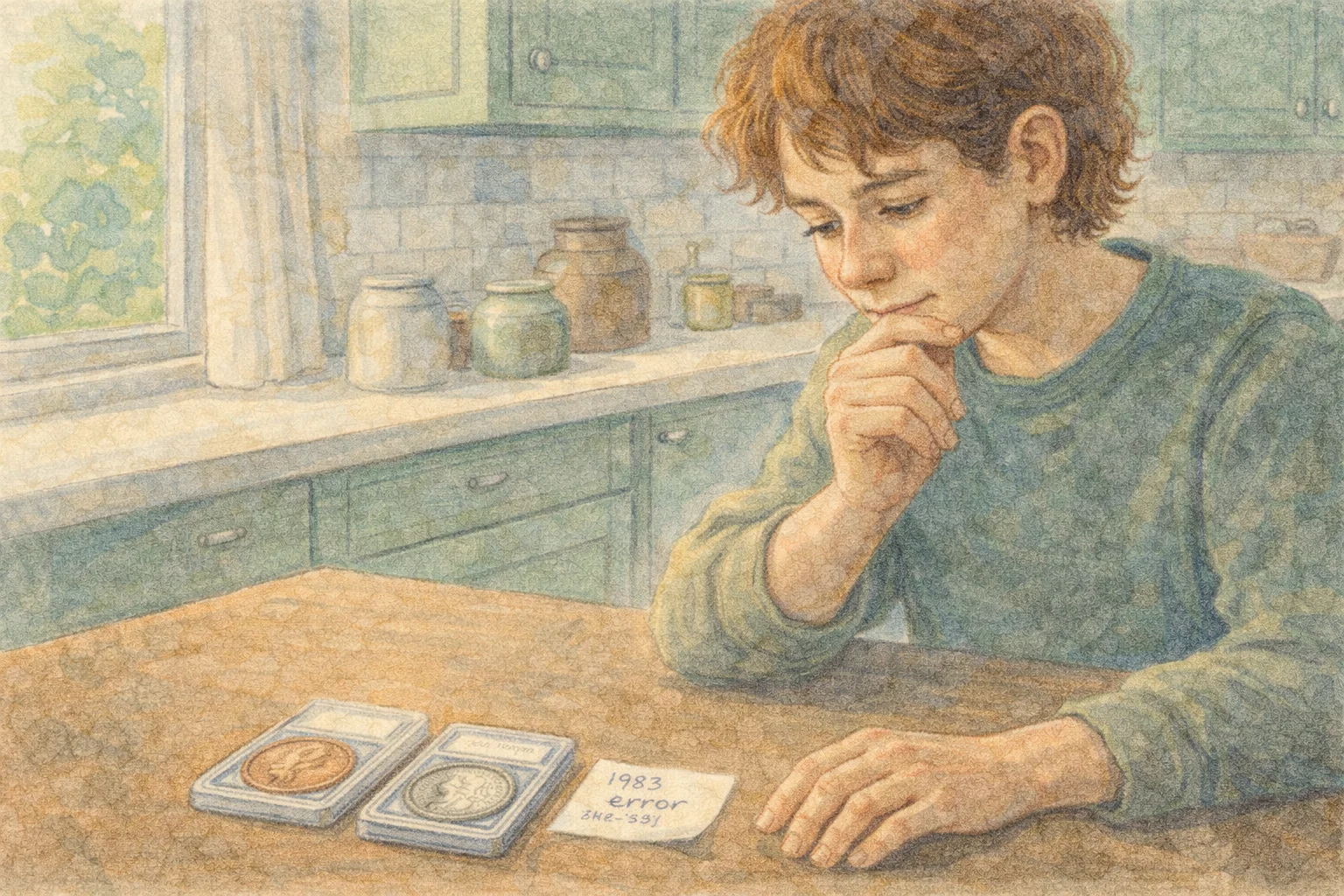
Modern mints focus on efficiency, not perfection. That trade-off explains why errors happen even with advanced technology.
Key causes include:
- Grease-filled dies that block design elements
- Die hubbing issues that create doubled dies
- Planchet mix-ups during high-volume production
- Late-stage die fatigue, leading to cracks and cuds
Most coins struck under these conditions are corrected quickly. A small number escapes. Those survivors define value.
Scarcity vs. Survival: A Critical Difference
Many modern errors come from coins with massive mintages. That does not automatically make them common.
Two factors matter more:
- How many examples survive in collectible condition
- How clearly the error can be verified
A billion-coin run can still produce a few dozen verifiable errors. Once collectors identify them via the free coin value app and certify proven ones, demand concentrates on a very small pool.
Why Hype Grows Faster Than Knowledge
Online marketplaces reward speed, not accuracy. A photo labeled “DDO” spreads faster than a diagnostic explanation. This fuels price inflation on coins that fail professional review.
Common hype drivers include:
- Misidentified machine doubling
- Post-mint damage mistaken for errors
- Minor strike weakness presented as rarity
These coins often sell repeatedly before certification ends the story.
The Line That Separates Value from Noise
Professional grading services apply strict definitions. Their standards form the dividing line between valuable errors and overhyped curiosities.
True collectible errors show:
- Raised, rounded secondary images
- Repeatable diagnostics across known examples
- Consistency with minting mechanics
Coins lacking these traits rarely survive attribution.
A Quick Reality Check
| Feature | Collectible Error | Overhyped Coin |
| Doubling | Rounded, raised | Flat, shelf-like |
| Cause | Die or planchet | Press vibration |
| Verification | Attributable | Rejected |
| Market | Stable demand | Short-lived |
Modern error collecting rewards careful observation, not excitement. They use technologies like a coin identification app, evaluation algorithms, and more to verify their guesses instantly.
Errors That Hold Value vs. Errors That Don’t
Once the basics are clear, modern error collecting becomes a process of sorting structural mistakes from cosmetic distractions. The market is consistent on this point: errors tied directly to the die or planchet hold value; errors tied to strike vibration or post-mint damage do not.

True Die Varieties: Where Value Concentrates
Die varieties form before striking begins. That single fact gives them durability in the market.
The most reliable categories include:
- Doubled Die Obverses/Reverses (DDO/DDR) caused by hubbing misalignment
- Major grease-filled dies that remove letters or devices
- Advanced die cracks and retained cuds
A clear modern example is the 2023 “IN COD WE TRUST” quarter. The grease-filled die blocked parts of GOD, producing a readable and repeatable defect. Verified examples sold between $150 and $900, depending on clarity and mint. The value comes from diagnostics, not novelty.
Classic cases reinforce the rule. The 1955 Doubled Die Obverse remains valuable because the doubling is bold, raised, and consistent. Circulated examples still exceed $1,000, while flat imitations collapse after grading.
Machine Doubling: The Most Common Trap
Machine doubling dominates online listings because it looks dramatic in photos and requires no technical explanation.
Characteristics of machine doubling:
- Flat, shelf-like edges
- Loss of detail rather than duplication
- Irregular direction across devices
These coins result from press vibration or die bounce. They are not varieties. Most trade between $5 and $20, regardless of how many times “DDO” appears in the title. Once submitted, they return unattributed.
Wrong Planchet and Major Strike Errors
Planchet errors remain among the strongest modern categories because they combine mechanical logic with easy verification.
High-confidence examples include:
- Wrong planchet strikes, confirmed by weight and metal
- Large off-center strikes, especially above 50% with full date
- Broad, dramatic clips, not minor edge nicks
An extreme case, such as a modern coin struck on the wrong metal blank, can reach six figures in top condition. More accessible examples—like off-centers with visible dates—regularly sell between $300 and $1,000.
Errors That Sound Impressive but Rarely Perform
Some error terms attract attention but lack long-term demand.
Typically overhyped:
- Minor die cracks that do not disrupt design
- Weak strikes misread as grease errors
- Slight off-centers under 10%
These coins often resell only once. After certification rejection or buyer education, demand fades.
Value vs. Hype at a Glance
| Error Type | What Holds Value | What Fails |
| Die doubling | Raised secondary image | Flat shelf doubling |
| Grease fill | Missing letters/devices | Weak strike |
| Planchet error | Weight mismatch | Size illusion |
| Off-center | 50%+ with date | Minor shift |
| Die crack | Bold, raised cud | Hairline fracture |
Understanding this split prevents the most expensive mistake in modern error collecting: paying variety prices for strike noise.
Certification, Populations, and Buying Without Regret
Modern error coins live or die by verification. The same coin can sell for hundreds when attributed—or for nothing when rejected. Understanding how certification and population data interact is what turns observation into confident buying.
Why Certification Changes Everything
Third-party grading does more than confirm authenticity. It defines market trust.
Certification provides:
- Formal attribution of the error type
- Confirmation that the issue occurred at the Mint
- A stable reference for buyers and sellers
Coins certified by PCGS or NGC often trade for five to ten times more than identical raw examples. That premium reflects liquidity, not optimism.
Population Reports Separate Reality from Assumptions
Population data answers a simple question: how many exist?
In modern error collecting, this matters more than mintage. A coin with billions struck can still have:
- Fewer than 50 certified examples
- A narrow grade range
- Stable demand once supply is known
As populations grow, prices adjust. Errors with flat or rising populations tend to soften. Errors that remain scarce after a year usually hold.
When Raw Coins Make Sense
Not every purchase needs a slab. Raw coins can be useful when:
- The error is obvious and well documented
- The price reflects uncertainty
- The buyer understands submission risk
Raw buying works best as screening, not as a finished investment.
Tools That Support Better Decisions
Sorting errors manually takes time. Many collectors photograph finds and compare specifications—year, mint, composition, diameter, and weight—using tools like the Coin ID Scanner app. Digital logs and smart filters help separate verified errors from suspect pieces before money changes hands.
Technology does not replace diagnostics, but it reduces friction.
A Practical Checklist Before You Buy
Before committing, ask:
- Is the error raised or flat?
- Does it repeat on known examples?
- Is weight and composition correct?
- Has it been attributed before?
If any answer is unclear, price accordingly—or pass.
Modern error coins reward discipline. True errors tied to dies and planchets build lasting value. Strike noise and damage create momentary excitement that fades fast.
Collectors who focus on diagnostics, certification, and population data avoid regret. They buy fewer coins—and keep them longer.