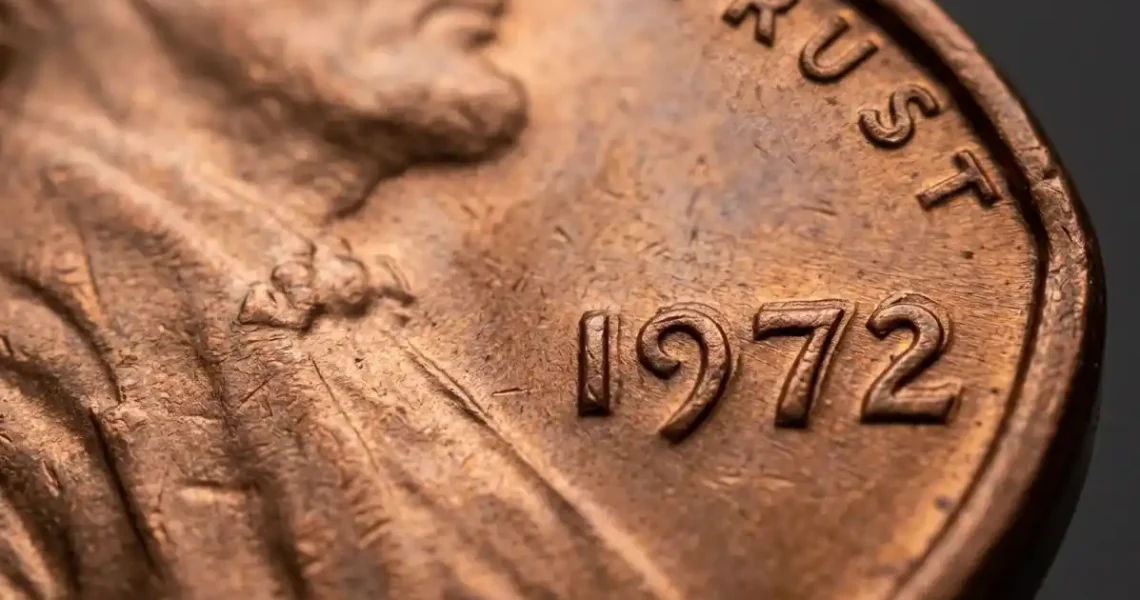
List of Double Die Coins Worth Attention
The list of double die coins is subtle — until you know exactly where to look.
This specific defect arises during the die-making stage when a working die is struck multiple times by a hub.
Misalignment of images on the finished product creates a distinct visual outline of duplicated elements.
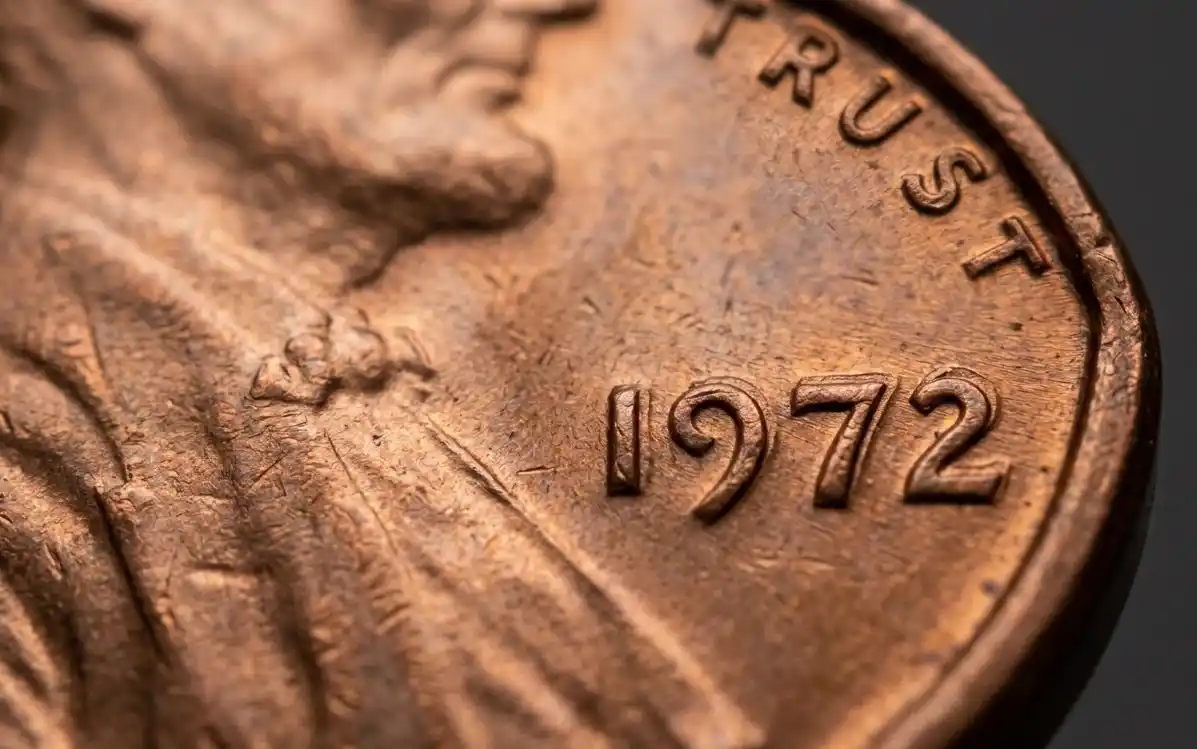
1955 Lincoln Wheat Penny Double Die Obverse
Collectors consider this coin the category benchmark due to the extremely visible doubling of the date and inscriptions.
Error production occurred during a night shift at the Philadelphia Mint.
Quality control failed to identify the defect in time.
Approximately 20,000 specimens entered circulation inside regular cent batches.
| Parameter | Technical Value |
| Mass | 3.11 grams |
| Metal | 95% Copper, 5% Tin, and Zinc |
| Diameter | 19.05 mm |
| Error Mintage | 20,000 pieces |
Auction Value Dynamics in US Dollars
- Condition AU-58 → $1,250
- Condition MS-63 → $2,800
- Condition MS-64 → $6,500
- Condition MS-65 Red → $37,000
Record pricing stands at $124,800 for a specimen graded MS-66 Red.
Annual value appreciation for this position averages 4.5%.
1969-S Lincoln Penny Double Die Obverse
Discovery of this coin in 1970 led to immediate confiscations by the Secret Service.
Authorities initially mistook genuine coins for counterfeits produced by fraudsters.
Status of the asset rose sharply after the San Francisco Mint confirmed authenticity.
Confirmed specimen counts do not exceed 100 units.
Survival Statistics and Gradation
Population in PCGS registries → 43 pieces
Population in NGC registries → 31 pieces
Highest known grade → MS-66 Red
Price Indicators
- 2008 year → $126,500
- 2018 year → $116,000
- 2023 year → $125,000
- 2026 year-end forecast → $132,000
Price drops in 2018 resulted from three coins from a single private collection entering the market simultaneously.
Presence of circulation wear reduces the price to $15,000 — $35,000.
1972 Lincoln Penny Double Die Obverse
Several types of this error exist for the 1972 production year.
Type 1 possesses the strongest doubling visible without a magnifying glass.
Remaining types require the best coin identifier app for identification.
Type 1 Identification Marks
- Clear doubling of the word LIBERTY shifted to the right
- Double outline of the motto IN GOD WE TRUST
- Date digits 1972 shifted upward and to the left
Financial Analysis
Average MS-65 RD price → $650
Average MS-67 RD price → $4,500
Asset volatility stands at 12% per year.
Total found coins exceed 250,000 pieces.
Wide availability limits the potential for explosive price growth.
1983 Lincoln Penny Double Die Reverse
Uniqueness of this year lies in the error location on the back side.
Text reading ONE CENT and UNITED STATES OF AMERICA appears blurred and thickened.
| Specification | Data |
| Weight | 2.50 grams |
| Metal Composition | Zinc with Copper plating |
| Mint Location | Philadelphia |
| Price Record | $7,050 |
Causes of Die Wear
High press pressure → Steel blank deformation → Letter geometry violation → Production of defective batch.
Counts of coins in perfect condition decline steadily due to the corrosion of the internal zinc core.
Plating blisters are considered a standard defect for this period.
1995 Lincoln Penny Double Die Obverse
Beginner researchers find this the most accessible option.
Doubling appears most visible on the word LIBERTY.
Letters B, E, and R feature characteristic notches on the top edges.
Market Price Levels
- Circulated specimen → $1.50
- Condition MS-63 → $15
- Condition MS-65 → $45
- Condition MS-68 → $1,200
Banks in 2026 are mass-removing these coins from circulation.
Probability of a random find in pocket change is estimated at 1 in 400,000.
1916 Buffalo Nickel Double Die Obverse
A classic rarity from the early century.
Doubling affects the date and the chin of the Native American profile.
Metal consists of 75% Copper and 25% Nickel.
Weight of the blank is exactly 5.00 grams.
Recent Auction Chronology
2024 year → Grade VF-20 → $5,200
2025 year → Grade EF-40 → $18,500
2026 year → Grade MS-64 → $62,000
Total certified copies across all grades → 214 pieces.
Inflationary price adjustment is 3.8% annually.
1943-S Washington Quarter Double Die Obverse
A rare occurrence for wartime silver coins.
Doubling is clearly traced on the letters of LIBERTY and within the date.
Technical Composition
- Silver 90%
- Copper 10%
- Total mass 6.25 grams
Price Ladder
AU-55 → $2,500
MS-63 → $6,000
MS-65 → $14,000
MS-66 → $21,000
Asset price depends directly on global silver market quotes.
Numismatic premiums increase proportionally during metal price hikes.
1942/1 Mercury Dime Overdate
Mechanism of error origin is identical to Double Die despite being an overdate.
Digit 2 was struck over digit 1.
Philadelphia and Denver mint versions both exist.
| Mint | Mark | Est. Population | Max Price |
| Philadelphia | None | 3,500 | $32,000 |
| Denver | D | 1,200 | $95,000 |
Denver versions are valued three times higher due to lower survival rates.
Full Bands status on the reverse adds 50-80% to the value.
1971-S Eisenhower Dollar Double Die Obverse
The inaugural year for the large Copper-Nickel dollar series.
Errors were discovered in Proof quality sets.
Doubling is visible on the left edges of the motto letters.
Lot Parameters
Item mass → 22.68 grams
Disk diameter → 38.10 mm
Price in grade PR-69 → $12,500
Price in grade PR-67 → $3,200
Demand for Eisenhower dollars in 2026 rose 15% compared to 2024 levels.
Identification and Verification
Authenticity checks require the Coin ID Scanner and spectral analysis of the alloy.
Counterfeit detection methods:
- Analyzing micro-scratches on the coin field
- Measuring specific gravity to three decimal places
- Inspecting edge reeding at a 45-degree angle
- Comparing letter placement with mint master templates
Mechanical doubling caused by die chatter is not considered Double Die.
Such defects hold no collector value.
Prices for mechanical doubling coins equal their face value.
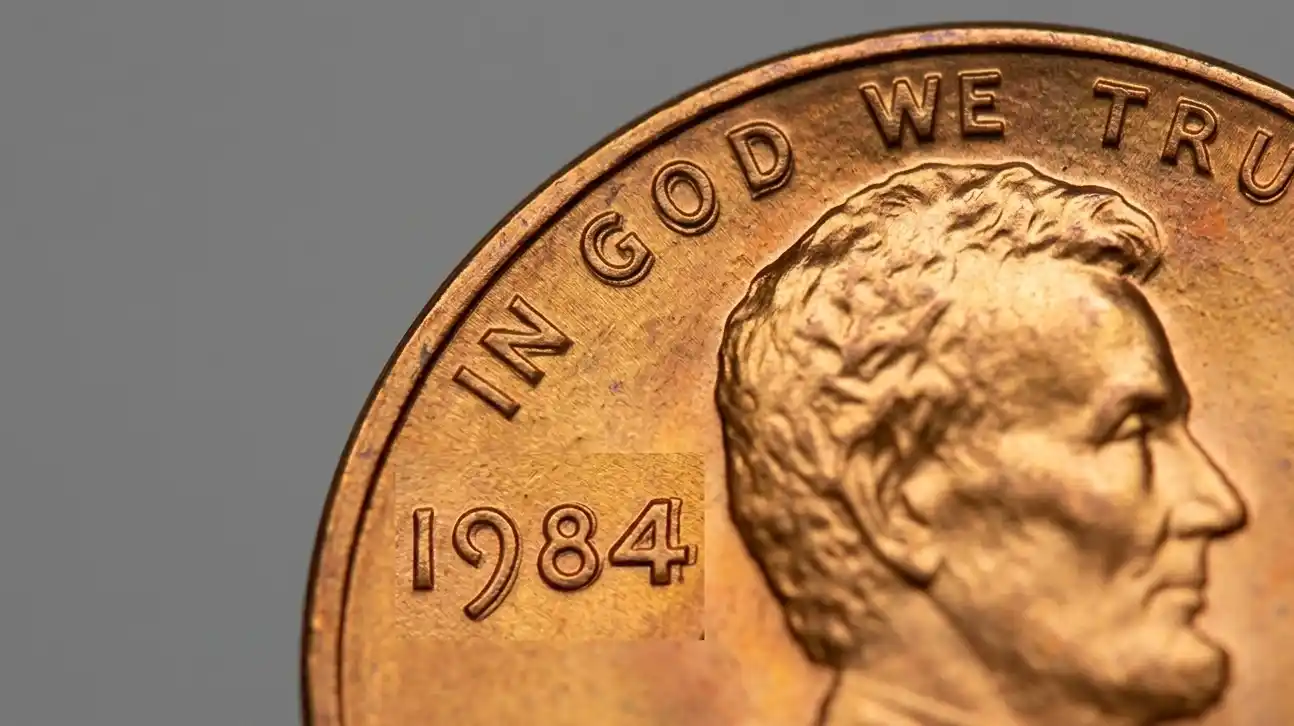
Impact of Certification Systems on Price
A plastic slab ensures asset liquidity on the international market.
Percentage of certification rejection due to cleaning or corrosion:
- Copper cents 1900-1950 → 22%
- Nickels 1913-1938 → 15%
- Silver dollars → 8%
Condition assessment uses the 70-point Sheldon scale.
One point difference between MS-64 and MS-65 can represent 300% of the value.
1937-D 3-Legged Buffalo Nickel
Excessive die polishing removing the buffalo’s front leg resulted in this coin.
Defect origin process:
Die clashing → Manual polishing by worker → Removal of fine relief details → Striking of defective series.
Pricing
Grade F-12 → $450
Grade VF-20 → $600
Grade EF-40 → $1,100
Grade MS-65 → $35,000
Counterfeit pieces outnumber originals at a ratio of 10 to 1.
Absence of the hoof on the back leg serves as the primary authenticity indicator.
1817/4 Capped Bust Half Dollar
This is an example of 19th-century reuse of old dies with date overstriking.
Coin weighs 13.48 grams.
Diameter is 32.50 mm.
Trading Records
Condition MS-61 → $180,000
Condition AU-50 → $45,000
Low survival of high-grade coins makes every auction the event of the year.
Only 8 coins in grades above AU-58 are known in 2026.
2004-D Wisconsin Quarter Extra Leaf
A modern error involving an extra element on the corn ear image.
High Leaf and Low Leaf types both exist.
Type Valuation
- High Leaf MS-65 → $150
- Low Leaf MS-65 → $120
Prices fell 30% since the 2007 peak.
High volumes found in bank rolls saturated the market.
Numismatic Collection Storage
Oxygen exposure leads to irreversible Copper oxidation.
Grade preservation conditions:
- Air humidity below 30%
- Temperature range within 18-22 degrees Celsius
- Absence of direct sunlight
- Use of acid-free polymer holders
Loss of the Red color designation reduces Copper coin prices by 50%.
Transition from Red to Red-Brown category frequently causes financial losses for investors.